
Greeley has a lot to offer homebuyers: relatively attainable prices compared to Fort Collins and Denver, a lively university community, well-established neighborhoods with mature trees and larger lots, and easy access to the rest of Northern Colorado’s Front Range corridor. But buying in an older, established neighborhood comes with a consideration that many first-time buyers overlook entirely — the sewer line buried beneath the yard.
At Front Porch Inspections, we recommend adding a sewer scope to nearly every inspection we conduct in Greeley’s older neighborhoods. Here is why, and what you can expect from the process.
What Is a Sewer Scope Inspection?
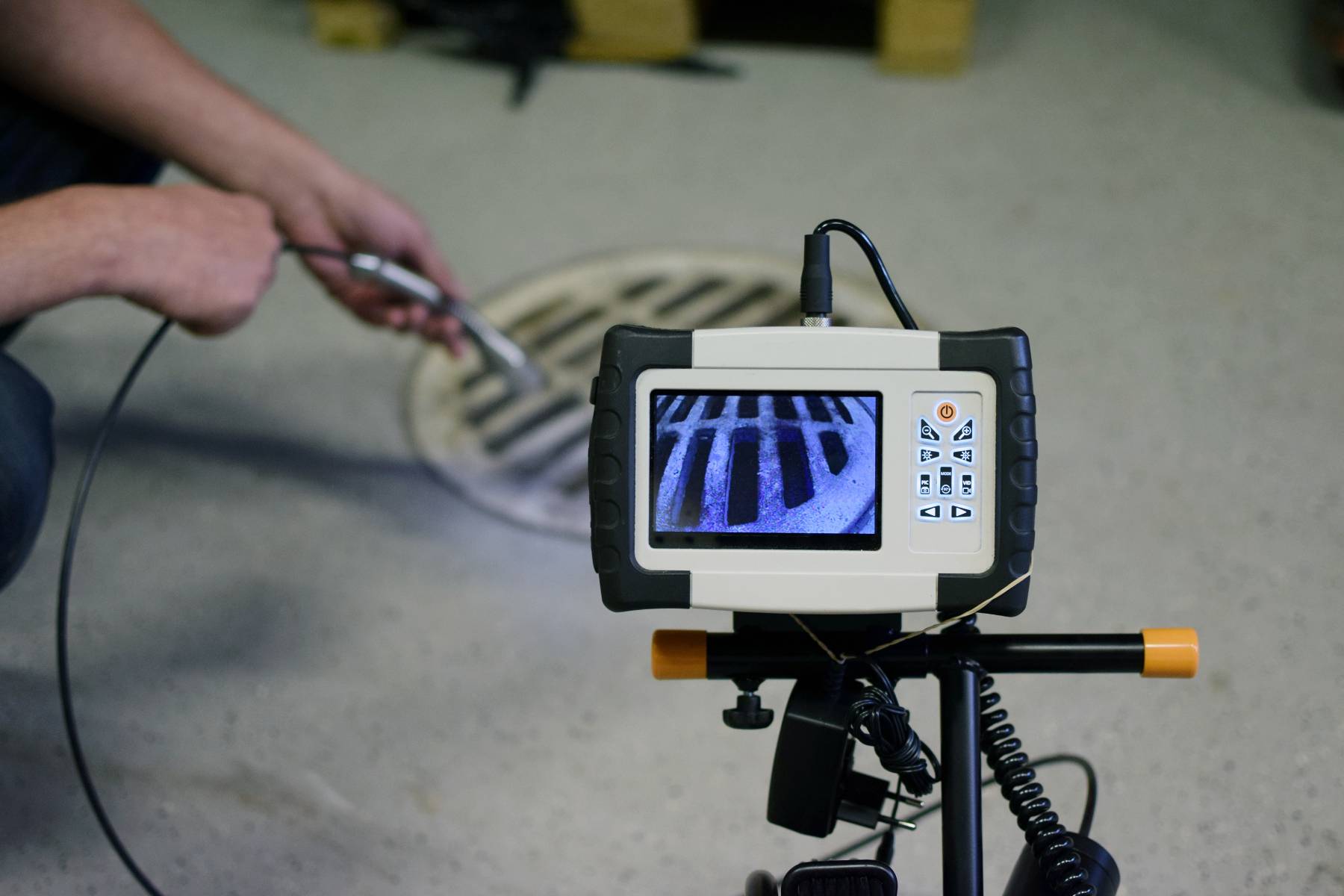
A sewer scope inspection uses a small waterproof camera fed through the home’s main sewer cleanout to inspect the underground pipe that carries wastewater from the house to the municipal sewer main at the street. The camera transmits live video that the inspector reviews in real time, documenting the condition of the line from inside the house all the way to the city connection.
The entire process typically takes 30 to 45 minutes and can be done at the same time as your standard home inspection. The results are included in your inspection report with photos and video documentation of anything notable found along the way.
Why Greeley’s Neighborhoods Make Sewer Scopes Especially Important
Age of the Housing Stock
The neighborhoods surrounding the University of Northern Colorado campus and Greeley’s historic downtown core contain homes that were built from the early 1900s through the mid-20th century. Many of those properties still have original sewer lines — pipes that may be 60, 70, or even 80-plus years old.
Older pipes were typically made from clay tile, Orangeburg (a tar-and-paper composite), or cast iron. These materials degrade over time in ways that newer PVC pipe does not. Clay tile joints shift and crack as the soil around them moves. Orangeburg softens and collapses with age. Cast iron corrodes from the inside. None of these failures are visible from the surface, and none show up on a standard home inspection.
Tree Root Intrusion
Greeley’s established neighborhoods have exactly what makes them appealing: decades of mature tree growth. Those same root systems are one of the leading causes of sewer line damage. Tree roots naturally seek moisture, and even hairline cracks in aging pipe joints provide enough of an entry point for roots to infiltrate and grow. Over time, root intrusion can partially or fully block a line, causing slow drains, sewage backups, and eventually complete pipe failure.
A sewer scope inspection will show root intrusion clearly, along with how advanced it is. Early-stage intrusion is often manageable. A line that is significantly compromised may need hydro-jetting or full replacement.
Weld County Soil Conditions
Greeley sits on expansive clay soils, the same soil type that affects foundations throughout the region. As these soils absorb moisture and dry out through seasonal cycles, they shift and move. That movement does not just affect foundation slabs and crawl spaces — it also affects underground pipes. Shifting soil can crack pipe joints, cause bellies (low spots where wastewater pools instead of flowing), and disconnect pipe sections entirely.
A belly in the sewer line is one of the most common findings in Greeley homes, and it is something you simply cannot know about without running a camera through the line.
What Happens If the Scope Finds a Problem?
Finding an issue does not mean the deal is dead. It means you have information, and information is exactly what you need when you are about to spend hundreds of thousands of dollars.
Depending on what the camera reveals, your options typically include negotiating with the seller to repair or replace the line before closing, requesting a price reduction or repair credit to cover the cost, or in rare cases of severe damage, reconsidering whether the property is the right fit at the offered price. In most cases, sewer line issues are very fixable — they just cost money, and knowing about them in advance puts that conversation squarely in your court.
What Sewer Line Repairs Actually Cost in Northern Colorado
Minor issues like root intrusion that can be cleared with hydro-jetting typically run a few hundred dollars. Spot repairs on a damaged section of line can range from $1,500 to $4,000 depending on depth and access. Full sewer line replacement from house to street in the Greeley area typically falls between $5,000 and $12,000 or more depending on the length of the run, the material being replaced, and whether excavation or trenchless methods are used. These are not small numbers — but they are much easier to handle as part of a negotiation before closing than as an emergency repair after you have moved in.
New Construction in Greeley Is Not Automatically Exempt
Greeley has seen significant new construction activity in areas like Promontory, Sheep Draw, and other developing neighborhoods on the city’s outskirts. While newer homes with PVC sewer lines do not carry the same age-related risk as older properties, new construction sewer lines can still have issues — improper pitch, poor connections at the municipal tie-in, or construction debris left in the line. A sewer scope during a new build inspection or before your 11-month warranty expires is always worth the investment.
Explore Greeley While Your Inspection Is Underway
If you are in town during your inspection, take some time to explore what makes Greeley worth putting down roots in. Head over to Island Grove Regional Park, a sprawling green space along the Cache la Poudre River that hosts everything from walking trails and sports fields to the annual Greeley Stampede — one of the premier rodeo and outdoor music events in the West. It is the kind of place that reminds you why people come to this part of Colorado and stay.
Frequently Asked Questions About Sewer Scope Inspections in Greeley
How much does a sewer scope inspection cost?
A sewer scope is typically a relatively modest add-on to your home inspection. Contact Front Porch Inspections for current pricing. Given the potential cost of a sewer line issue, it is consistently one of the highest-return add-ons available during the inspection process.
Do I need a sewer scope if the home is only 15 or 20 years old?
Age helps, but it does not eliminate risk. Soil movement, root intrusion from neighboring trees, and installation defects can affect sewer lines in homes of any age. We still recommend it for most properties, particularly in areas with heavy tree coverage or expansive clay soils.
Can I see the footage from the camera inspection?
Yes. At Front Porch Inspections, our sewer scope findings are documented with photos and video and included in your report so you have a clear record of what was found and where.
What if the home does not have an accessible cleanout?
Some older homes lack an exterior cleanout, which is the preferred access point for a sewer scope. In those cases, the camera can often be run through a roof vent or interior access point. If no accessible point exists, that is itself worth noting — and adding a cleanout is a relatively inexpensive improvement that makes future maintenance much easier.
Buying a home in Greeley or the surrounding Weld County area? Front Porch Inspections offers sewer scope inspections as an add-on to our full buyer’s inspections, and we serve communities throughout Northern Colorado including Fort Collins, Loveland, Windsor, Timnath, and Berthoud. Schedule your inspection online today.